Are Plush Toys Good for Toddlers? A Guide for Parents
Plush toys have been childhood companions for generations — from teddy bears to cartoon characters, they often become a toddler’s first “best friend.” But as a parent, you might be wondering: Are plush toys for toddlers actully good? Are they safe, and do they help with development?
In this guide, we’ll explore the benefits, safety tips, and how to choose the right plush toys for toddlers.
The Benefits of Plush Toys for Toddlers
1. Emotional Comfort and Security
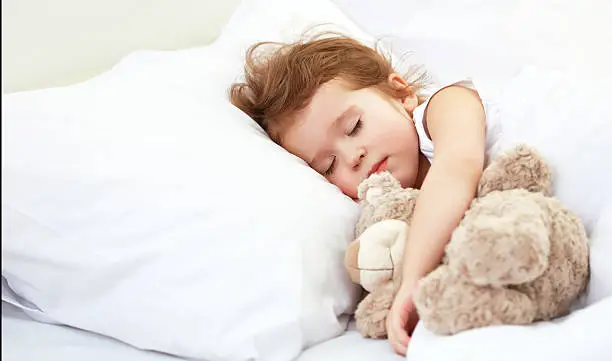
Plush toys can provide a sense of safety for toddlers, especially during new experiences like daycare, traveling, or bedtime. Psychologists often refer to them as transitional objects that help children cope with separation from parents.
2. Encouraging Imaginative Play
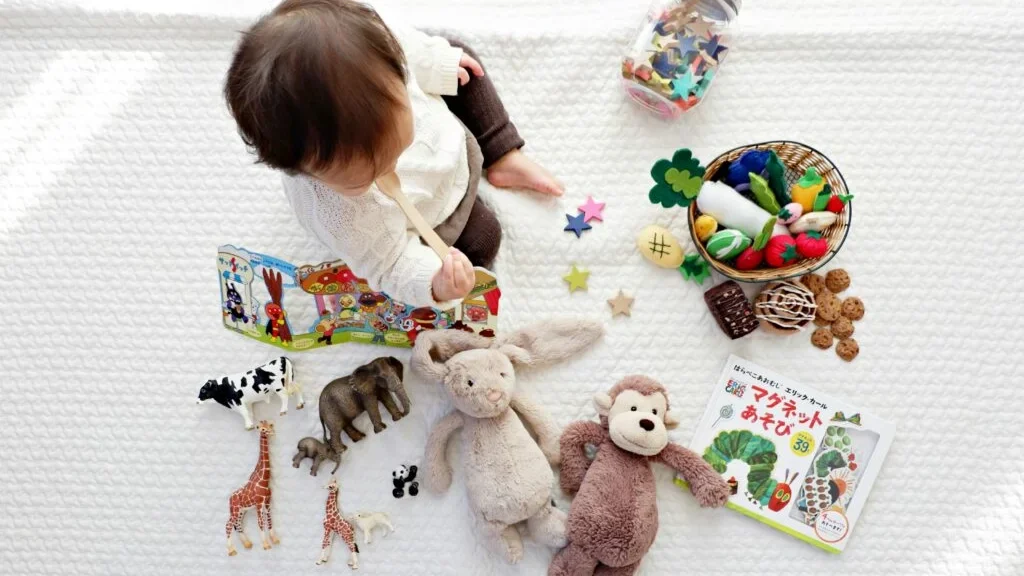
From tea parties to superhero rescues, toddlers often use plush toys as characters in their make-believe worlds. This kind of imaginative play supports creativity, storytelling skills, and problem-solving.
3. Language and Social Skills
Talking to a plush toy — whether real words or toddler babble — can help children practice communication. It’s also a gentle way for them to mimic social interactions.
4. Emotional Regulation
Hugging or holding a plush toy can help toddlers calm down when upset. The softness and familiarity can reduce stress and anxiety.
Safety Considerations for Toddlers and Plush Toys
While plush toys are generally safe, toddlers are naturally curious — which means parents should check for potential hazards:
- Choking Risks: Avoid toys with small, detachable parts (like buttons, beads, or loose eyes).
- Material Safety: Look for BPA-free, non-toxic fabrics and dyes.
- Size Matters: Plush toys should be big enough not to fit entirely in a toddler’s mouth.
- Washability: Choose machine-washable toys to keep them clean and allergen-free.
- No Loose Threads: Loose stitching can unravel and expose stuffing.
How to Choose the Right Plush Toy for Your Toddler
When shopping for a plush toy, keep these points in mind:
| Factor | What to Look For | Why It Matters |
|---|---|---|
| Age-Appropriate Label | “Safe for 0+” or “Safe for 12M+” | Ensures toy meets safety standards for toddlers |
| Hypoallergenic Materials | Organic cotton, microfiber | Reduces risk of allergies |
| Durability | Strong seams, quality stitching | Withstands rough play |
| Easy to Clean | Machine washable | Maintains hygiene |
| Softness | Plush but not overly fluffy | Prevents shedding fibers |
Expert Tip: Rotate Toys to Keep Interest
Toddlers can lose interest in toys quickly. Rotating plush toys every few weeks can make them feel “new” again, encouraging more playtime and interaction.
Final Thoughts
Plush toys can be a wonderful part of your toddler’s growth — offering comfort, encouraging imagination, and even supporting emotional development. The key is choosing safe, age-appropriate, and easy-to-clean plushies that will last through countless hugs and adventures.
So yes — plush toys are good for toddlers, as long as safety is your top priority.
What’s your toddler’s favorite plush toy? Share in the comments — I’d love to hear your stories!
