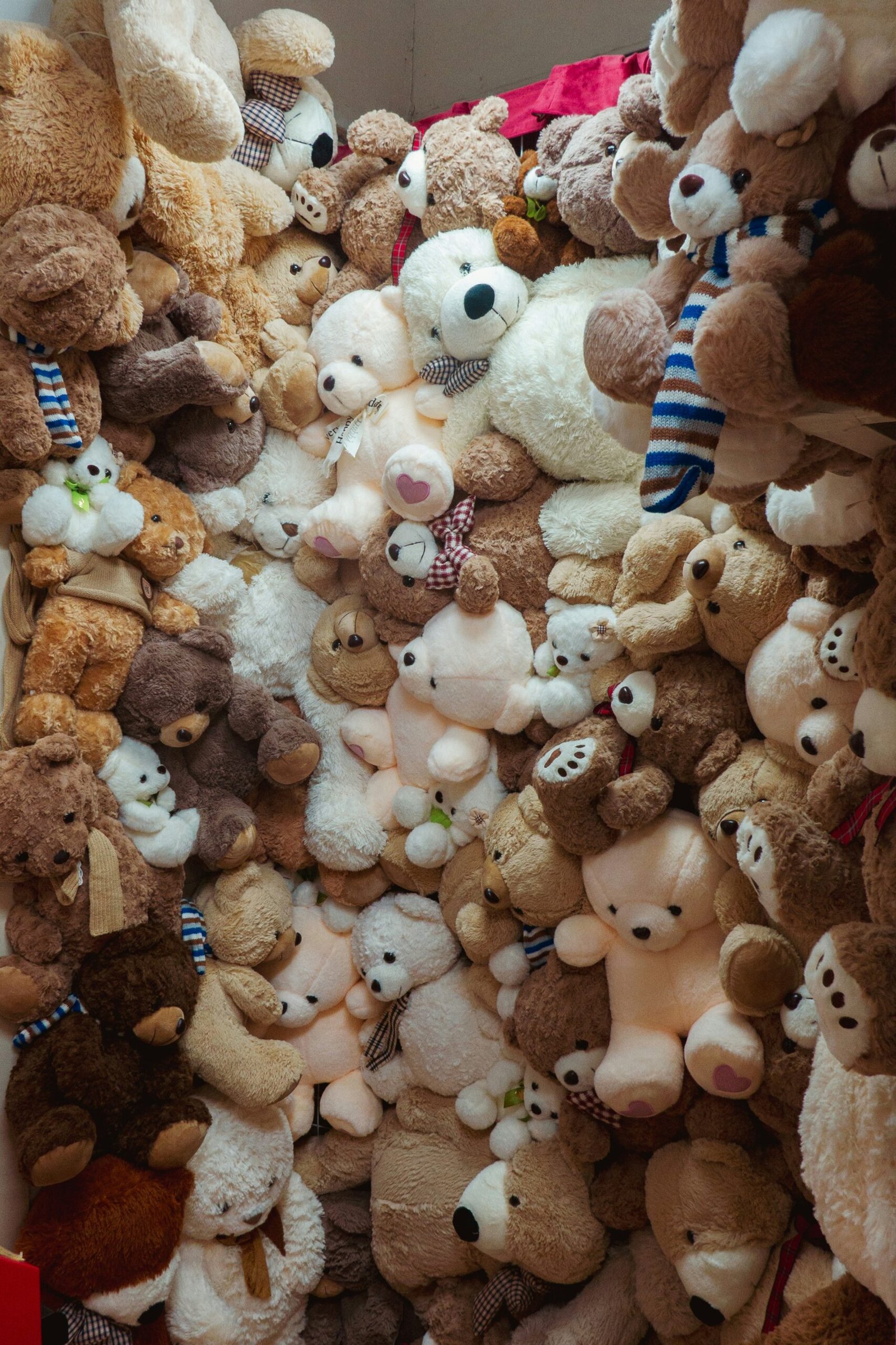
Beginner’s Guide to Plush Toy Collection: Starting a Healing Collecting Journey
In the U.S., plush toys have long surpassed the label of “children’s only” and have become a collecting trend that transcends age, gender and culture. From vintage teddy bears to designer collaboration, from limited blind boxes to handmade creations by artists, these soft companions not only carry emotional memories, but also gradually evolve into a unique cultural symbols and investment options to inspire people to collect. If you are eager to enter this world of fun and creativity, this beginner’s guide to collect will show you the way.
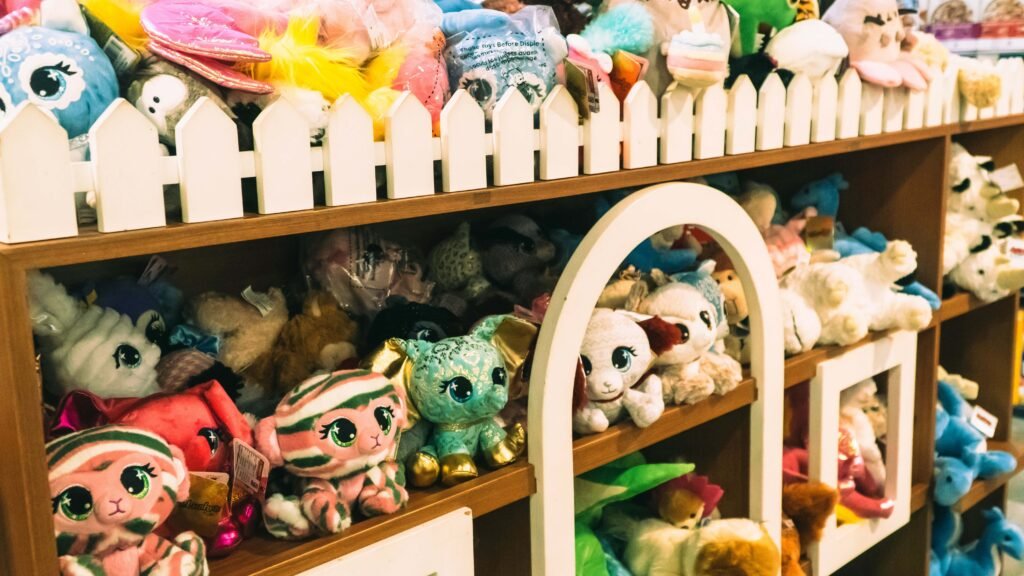
Define the direction of collection, find your “plush soul”
The world of plush toys is all-encompassing, and newcomers need to answer one question first: why do you collect?
- Sentiment: focus on childhood memories, such as classic IP (Disney, Snoopy, Sesame Street), retro toy brands (Steiff, GUND) or childhood cartoon characters.
- Artistic: pursuing designer models or independent artists’ works, such as Jellycat’s cute design, Bears of Bath’s British style, or handmade customized models on Etsy platform.
- Investment: Focus on limited editions, co-branded models or out-of-print collectibles (e.g. Beanie Babies’ rare models), which are often traded at a premium on the second-hand market.
Tips: Initially do not have to pursue “all to”, from a niche area into (such as “Disney villain series” or “retro space theme”), easier to establish a systematic collection.
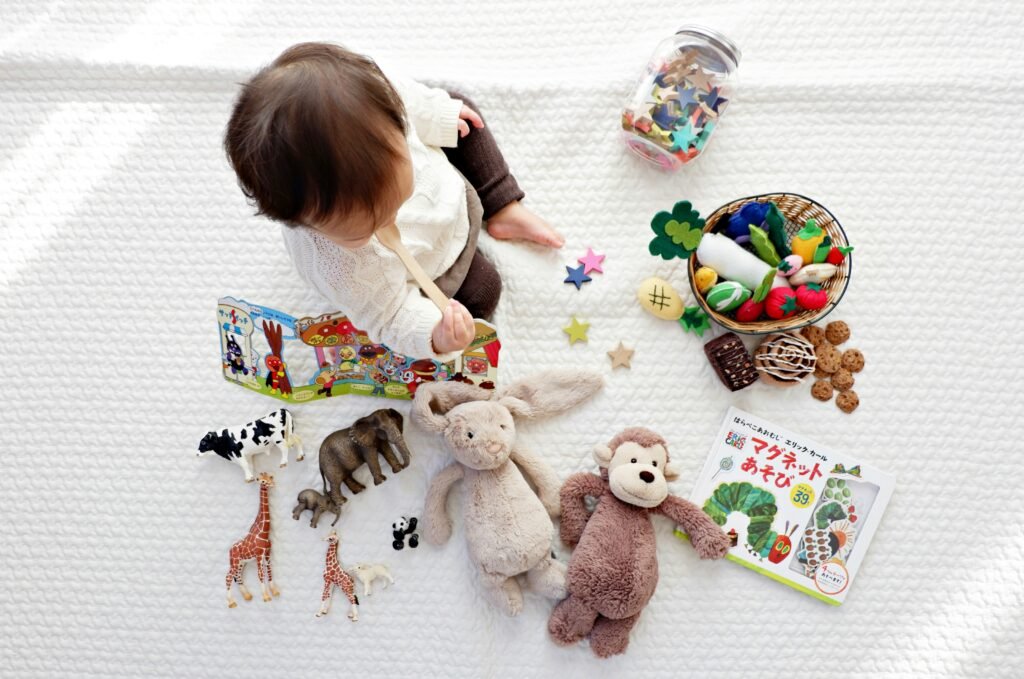
Learn to identify the quality and value of the plush toy
Not all plush toys have the potential for collection, the following points are the key to judgment:
- Material and process: quality toys usually use short plush, PVC particles filled (to ensure plasticity and safety), stitching neat, five features using embroidery or three-dimensional plastic parts (to avoid paint).
- Brands and certifications: Toys from well-known brands (e.g. Ty, Build-A-Bear) carry their own value-retaining attributes, while models with “limited edition number”, “signed by the artist”, or “limited to show” labels are more valuable. Models with “limited numbered,” “artist signed,” or “limited to show” labels are even more scarce.
- Preservation status: In the second-hand market, the price of toys with complete labels, no stains and deformation, and complete original boxes may be several times higher.
- Avoid the pit: Be wary of “replicas” or “knock-offs”, and verify authenticity through the brand’s website, social media hashtags (e.g., #VintagePlush), or collector forums
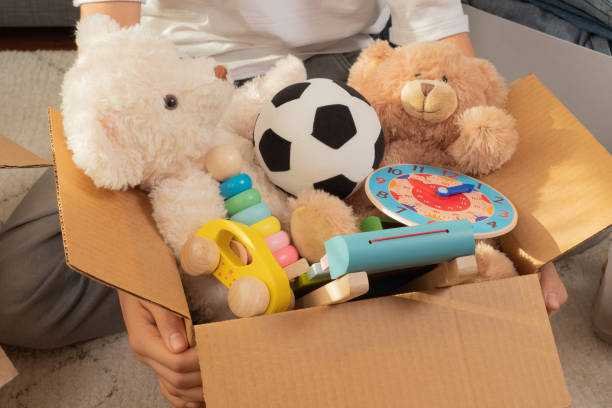
Build your “plush toy kingdom”
Collecting is not only “buying”, but also need to be taken care of and displayed:
- Storage environment: avoid direct sunlight and humidity, use dust bags or acrylic display boxes for protection, and regularly use a soft brush to clean up floating dust.
- Creative display: Use shelves, hanging baskets or wall grids to create a “plush wall”, arranged by color, theme or size, both storage and decoration.
- Digital management: Use a collection app (e.g. Collectorz, My Plush Collection) to record the purchase time, price and story of each toy, making it easy to track changes in value.
The last tip: collection without the “right answer”, from the heart, so that each toy carries a story. After all, the cuteness of this world deserves to be treated gently.
Extended reading:
- The Art of Plush Toy Collecting
- Podcast “Plush Life” to listen to the behind-the-scenes stories of collectors
May you find your own soft universe in the world of plush toys!